SponsoredAdvertising content
SponsoredAdvertising content
Creatine is backed by 700+ clinical studies, but it can only do its work when the full dose goes in, every day. This article examines 5 common ways people waste their creatine in 2026, and the one they keep taking: a chocolatey cookie-shaped bite with 5g of creatine inside.
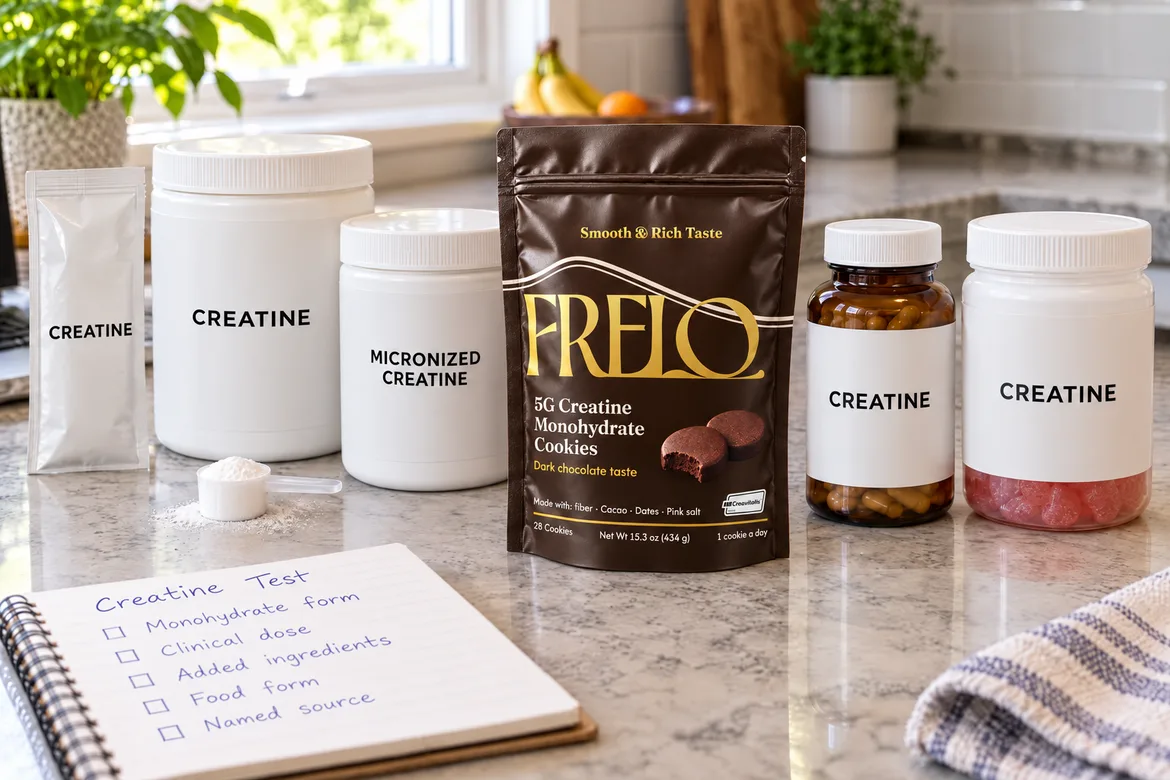
When choosing a creatine format, keep these five key factors in mind:
1. Monohydrate Form: With 700+ clinical studies behind it, creatine monohydrate is the most thoroughly researched form of creatine available. While newer forms like HCl, ethyl ester, or nitrate exist, none have matched monohydrate's research record. Whatever the format, check that the label clearly says creatine monohydrate, and how many grams are in one serving.
2. Clinical Dose: Each serving should provide 5 grams of creatine monohydrate, the daily maintenance amount most research has used. Be wary of formats that underdose, or that need several gummies or a handful of capsules to reach this amount.
3. Added Ingredients: Some premium creatine formats add other ingredients beside the creatine. For example, one chocolatey format carries 3g of fiber, magnesium, raw cacao and dates along with the full 5g dose of creatine monohydrate. However, be wary of proprietary blends that hide individual ingredient amounts. These formulas can bury a small creatine dose under an impressive-looking list, so check the creatine grams first.
4. Food Form: Opt for a solid food over powders, capsules or gummies. Powdered creatine often leaves grit at the bottom of the glass, so many people refill it and drink again to get it all down. Since the daily dose is 5 grams, you'd need several capsules or gummies to match one serving. A bite you eat by hand has nothing to dissolve.
5. Named Source: This is particularly crucial since many labels say only "creatine monohydrate" and nothing about who made it. A named creatine, like Creavitalis® from AlzChem, produced end to end in Trostberg, Germany, tells you exactly where the creatine you take every day comes from.

Research-Backed 5g Scoop
Pure Creatine Monohydrate (the Most Studied Form)
Supports Muscle Growth, Strength & Recovery
Supports Brain Function
One Ingredient, with No Sugar or Sweeteners Added
Usually Vegan, Gluten-Free & Dairy-Free
Unflavored & Odorless
Sold Almost Everywhere
Low Cost per Serving
Leaves Grit at the Bottom
Opening our list at #1 is Plain Powder by most creatine brands. On paper, it has everything you could ask of a creatine supplement. One scoop holds the research-backed 5 grams of pure creatine monohydrate, the most studied form, with nothing else added. It is unflavored, sold almost everywhere and low in cost per serving. The trouble starts in the glass. Creatine monohydrate does not dissolve easily, so a stirred scoop often leaves grit at the bottom. On creatine forums, people describe stirring 5g into a full 24oz bottle, shaking it hard, and still seeing powder sitting at the bottom. Many refill the glass and drink again to get it all down, because every gram left behind is a gram that never reaches you. Lastly, a daily mixing chore makes the full 5g dose every day, the one habit creatine depends on, harder to keep.
See the bite instead“I've been mixing it in water every morning. I shake it in a full 24oz bottle, and there's still powder at the bottom. So I refill and drink again. I don't want to waste it.”
Plain powder users on Reddit's r/Creatine, in our words
“I used more water, shook it harder, and it's still gritty.”
Powder users on r/Creatine who tried the fixes, in our words
Quotes are written by frelo from public posts on Reddit's r/Creatine. Individual experiences vary.

5g Per Serving
The Most Studied Form of Creatine
(Monohydrate, Micronized)
Low Cost per Serving
Made to Mix More Easily
(Finer Than Plain Powder)
No Fiber or Magnesium Added
(Unlike Our Chocolatey Bite)
Complaints of Leftover Grit
Still Doesn’t Fully Dissolve
Complaints of Refilling the Glass
Micronized Powder by many creatine brands earns its #2 spot by promising to fix the very problem that put plain powder at #1. It is the same creatine monohydrate, the most studied form, milled into finer particles so it mixes more easily. Its finer milling, full 5g serving and low cost make it particularly appealing for anyone tired of grit at the bottom of the glass. However, it’s still a basic single-ingredient powder, without the fiber or magnesium found in our chocolatey bite. On creatine forums, people who switched to micronized powder describe the same old problem: it still doesn’t fully dissolve, and a gritty layer still sits at the bottom of the glass. Some also refill the glass and drink again to get it all down, since powder left behind never reaches you.
See the bite instead
The Same 5g as a Scoop
Plain Creatine Monohydrate
Nothing to Mix, No Grit
Easy to Carry Anywhere
Large Capsules to Swallow
Every Single Day
Several Capsules per 5g Serving
No Fiber or Magnesium Added
(Unlike Our Chocolatey Bite)
Still Needs a Glass of Water
Easy to Fall Short of 5g
(Skip One Capsule, Lose Part of It)
Plain Creatine Capsules by many supplement brands offer a powder-free alternative while keeping the 5g serving most research has used. They stand out as an easy option to carry, with nothing to mix and no grit left in a glass. However, the capsule format presents real challenges: one 5g serving takes several large capsules, and they have to be swallowed every single day. The single-ingredient approach, while plain, comes without the fiber or magnesium found in our chocolatey bite. Because the dose is split across several pills, skipping even one leaves you short of the full 5g, much like the powder left at the bottom of a glass. Each serving also still needs a glass of water to wash the capsules down. While the pill format may appeal to those tired of powder, the need to swallow a handful of large capsules every day makes this a harder habit to keep than it first seems.
See the bite instead
By many supplement brands
Can Reach 5g per Serving
Usually Creatine Monohydrate
No Scoop, No Shaker, No Glass
Sweet and Chewy, Like Candy
(Nothing to Dissolve)
Several Pieces per 5g Serving
No Fiber or Magnesium Added
Reported Underdosing in Gummies
Higher Cost per 5g Than
Plain Powder
Sweet Creatine Gummies can reach the 5g serving most research has used while skipping the scoop, the shaker and the glass, and their chewy, candy-like taste makes them a tempting choice for anyone tired of stirring a powder that never fully dissolves. However, the convenience isn't what it seems, as one 5g serving usually takes several pieces, a full 5g day often costs more than a scoop of plain powder, and the market has seen reports of gummies holding less creatine than their labels state (so the dose you meant to take may never fully arrive). While the format offers a chewable, glass-free approach, the lack of fiber or magnesium (both found in our chocolatey bite) and its higher cost make it difficult to recommend over one bite that holds the full 5g in a single bite.
See the bite instead
A Pre-Measured Serving
Ready to Drink From the Bottle
(No Scoop, No Stirring)
Small Enough to Carry Anywhere
Done in One or Two Sips
Usually Fruit Flavored
Sugar or Sweeteners Often Added
Pricier per Serving Than Powder
(A New Bottle Every Day)
Flavored to Cover the Taste
Often Needs a Good Shake
(Or Part of the Dose Stays Behind)
Not Always the Standard 5g Dose
(Some Shots Hold Less)
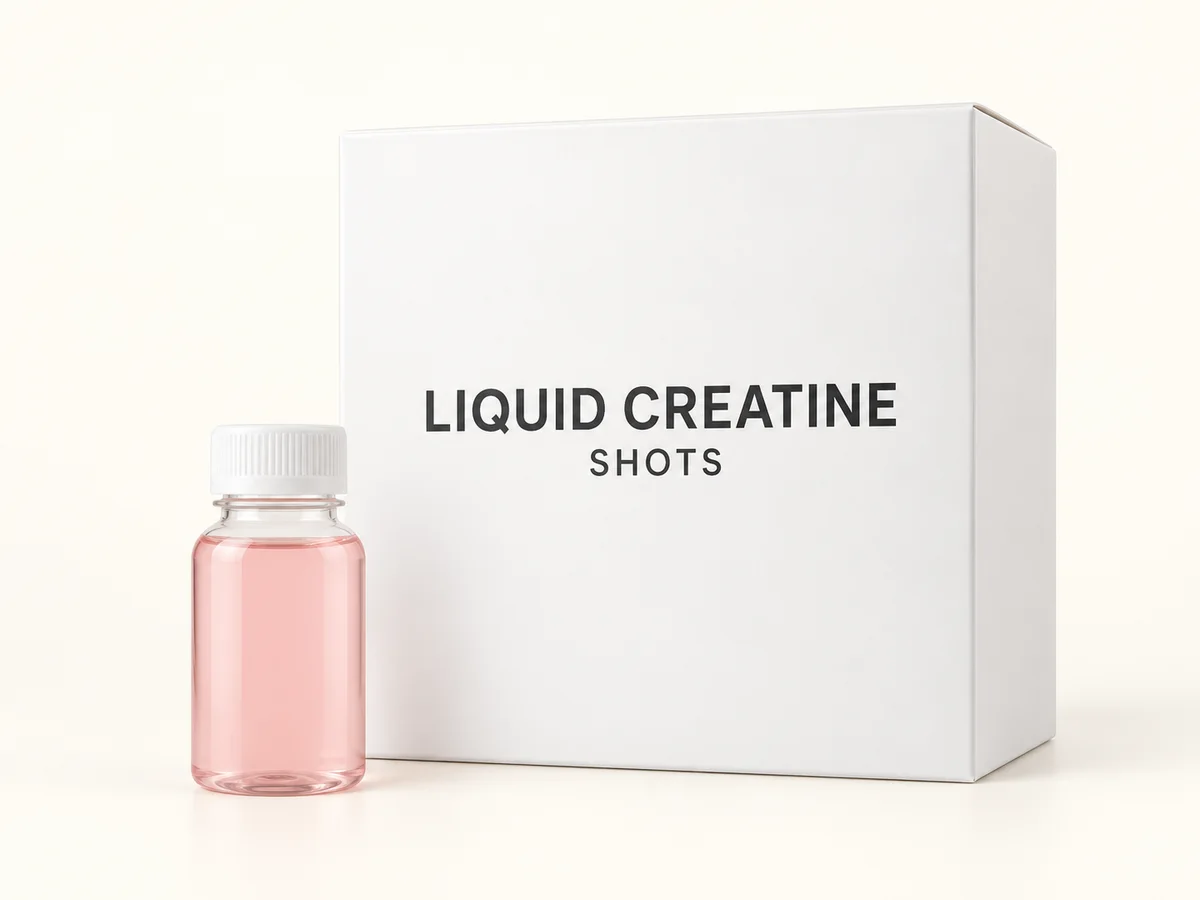
Liquid Creatine Shots offer some easy wins on paper, including a pre-measured serving in every bottle and nothing to scoop or stir. However, you pay for a new bottle every day, so a serving usually costs more than a scoop of plain powder, while not every shot holds the full 5g serving most research has used (some hold less). The grab-and-go size and the fruit flavors show promise, but the format runs into powder's old problem: 5g of creatine monohydrate needs far more than a few sips of liquid to dissolve. Most shots are sweetened and flavored to cover the taste. And a bottle that isn't shaken well can leave part of the creatine at the bottom, the same leftover powder users keep finding in their glass. While a few brands sell creatine this way, the format's mix of a higher cost per serving, a dose not always the full 5g, and a taste that has to be covered lands it in last place on our list.
See the bite instead
“Easy-Mixing” Creatine Powder: For a powder sold on the promise that it “mixes easily”, and often milled extra fine to prove it, a scoop that still leaves part of the dose at the bottom of the glass raises serious concerns, since creatine left in the glass is creatine you never take. The gap between that promise and the glass was best put by a frustrated user on Reddit's r/Creatine (here in our words): “I put a 5g scoop in my full 24oz bottle and shake it up. 24oz is supposed to be more than enough to dissolve it... but I still see powder floating around and sitting at the bottom.”
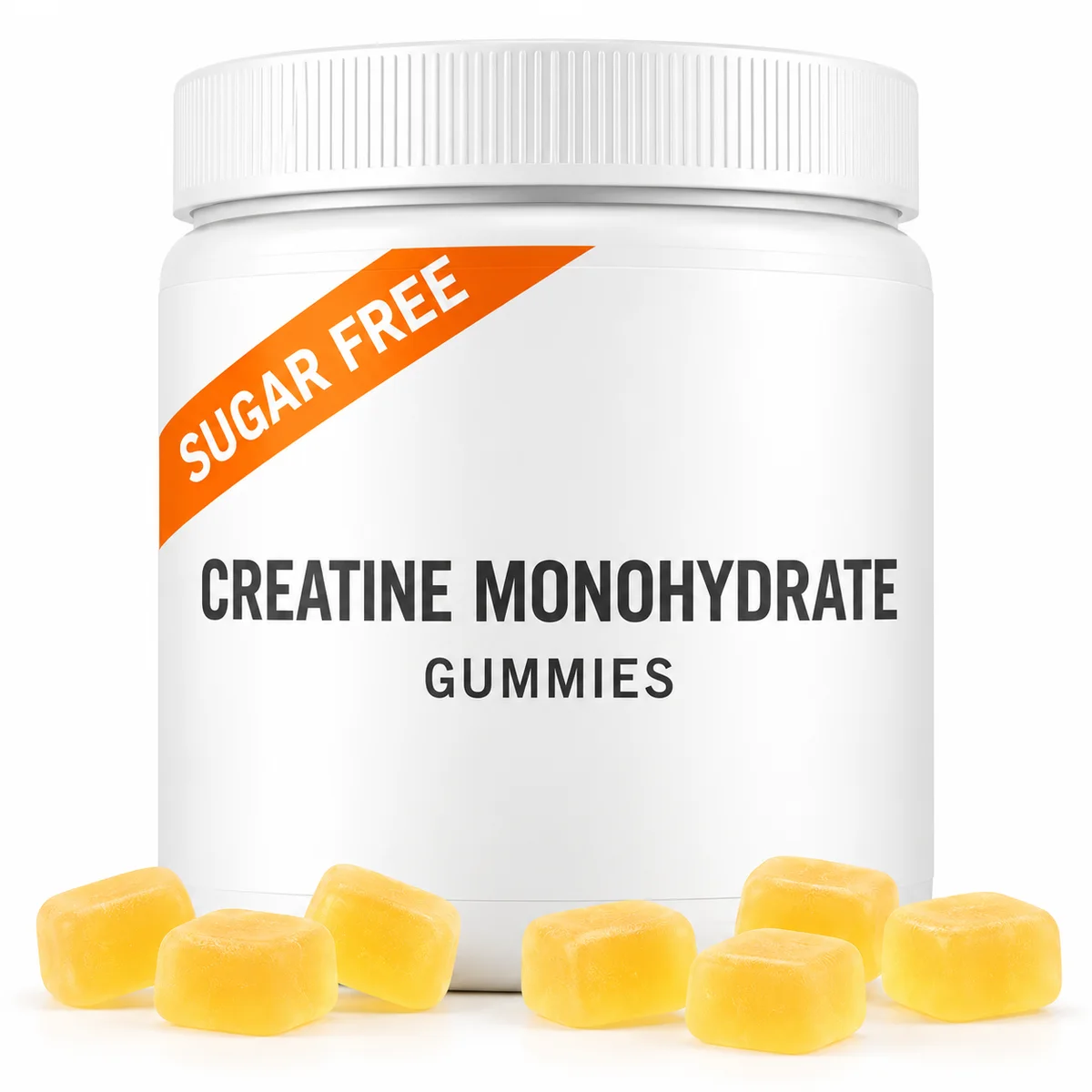
“Sugar-Free” Creatine Gummies: When in doubt, steer clear of creatine that comes in candy form. Often, they're packed with things that aren't creatine: artificial sweeteners and colors, gelling agents, and more. Although many take pride in being sugar-free, they often use sugar alcohols like erythritol or maltitol (which can upset the stomach in large amounts) and an oil or wax coating to stop sticking. For these reasons, we recommend avoiding them altogether.
Creatine is a compound your body keeps mostly in your muscles, where it is part of how your cells store quick energy.
It isn’t a stimulant, a hormone or a drug. It’s already in you.
You also get some from what you eat. Red meat and fish carry small amounts of it, and plant foods carry almost none.
Your body makes some of its own, too. So a creatine monohydrate supplement isn’t a foreign substance: it is the same compound, in a concentrated form.
The catch is the dose, and the days. Creatine research has mostly used one daily amount, taken every day, so what matters is that the full 5g goes in each morning. A scoop that leaves grit at the bottom of the glass, or gummies you skip on busy days, never quite gets there.
Creatine monohydrate is the most common and most studied form, with 700+ clinical studies behind it. In frelo, it comes as 5g of Creavitalis® creatine monohydrate in one 16g chocolatey cookie-shaped bite with 3g of fiber, so there is nothing to stir, nothing to swallow by the handful and nothing left at the bottom of a glass.
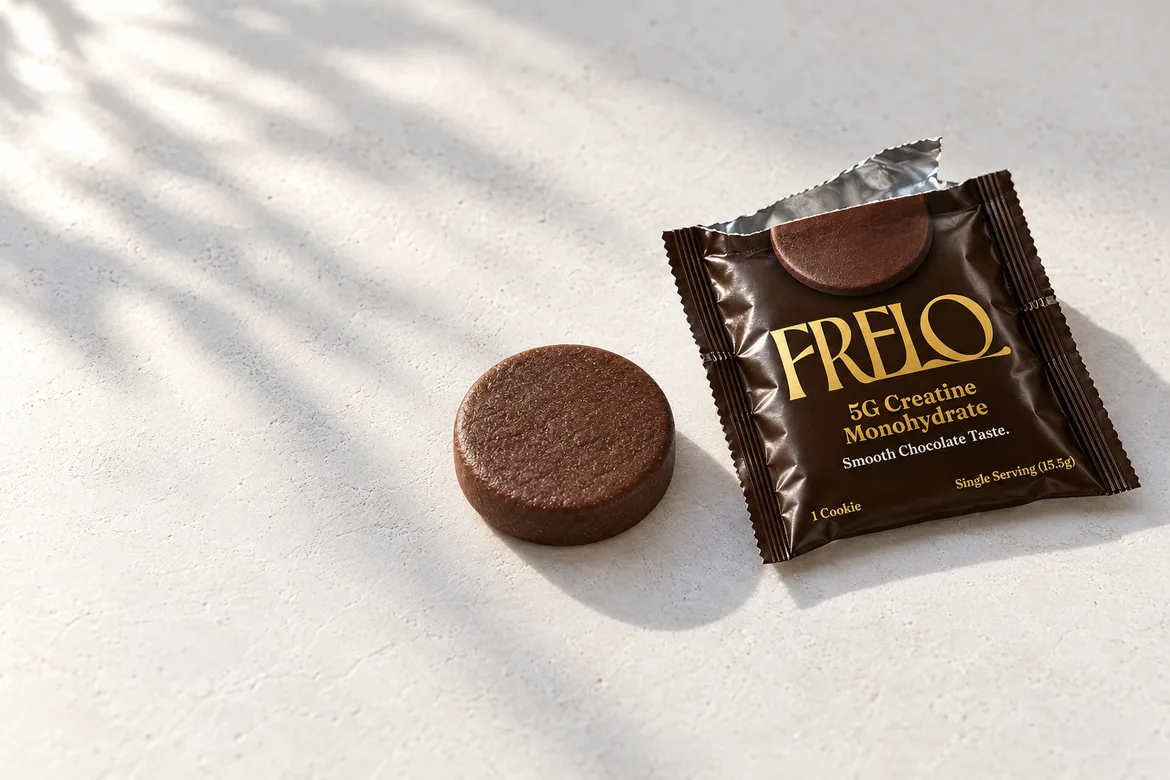
To recap, here are the five important things to check before you buy creatine, whatever format it comes in…
Here is everything that goes into each bite, made dry and cold-processed, along with the full daily 5g of creatine:
 5g Creavitalis® creatine
 3g of fiber in every bite
 Magnesium
 Raw cacao, never alkalized
 Sweetened with dates
 16g · 50 Cal per bite
Starts from $1.19 a day: the chocolatey cookie-shaped bite
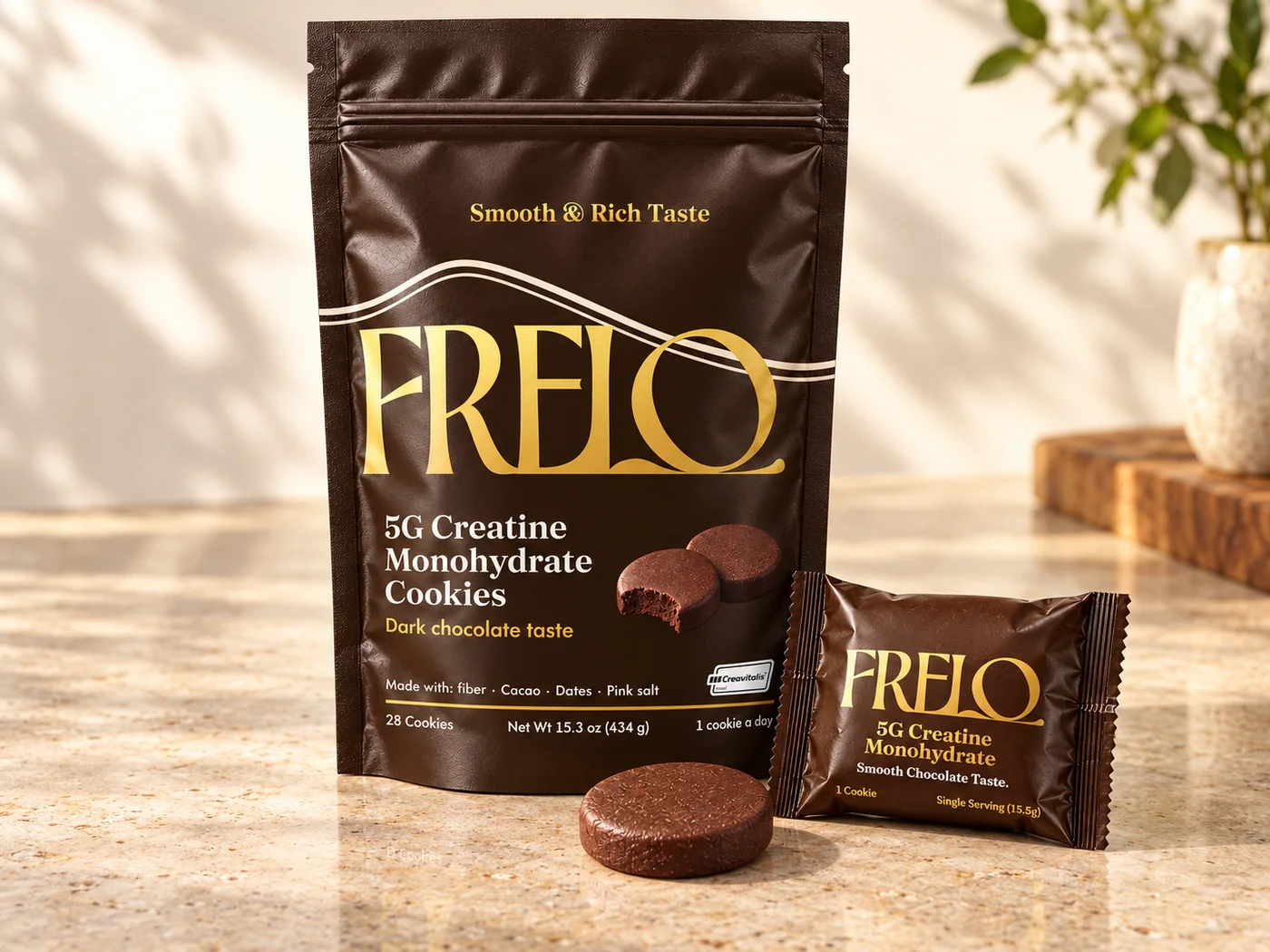
Starts from
$1.19
a day

Pre-order now. Expected to ship Q1 2027. Cancel any time before it ships for a full refund, see our refund policy.
References